Contemplation in a Divided World: The Silent Revolution of Peace
Based on a talk by Rev. Fr. Pachomius Ma. San Juan, OSB
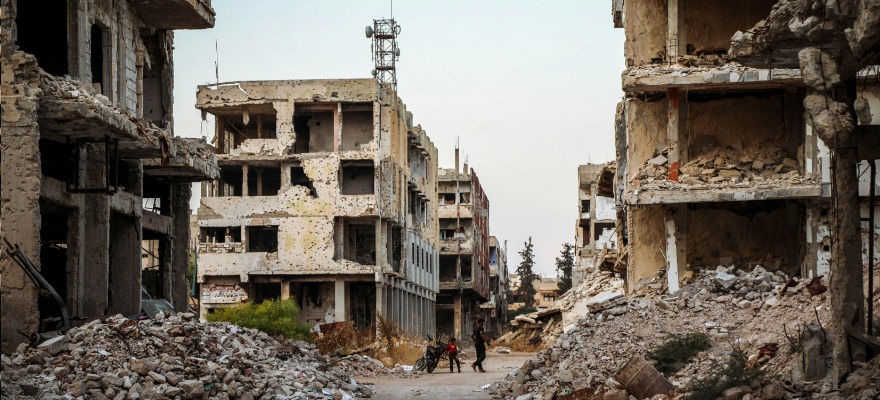
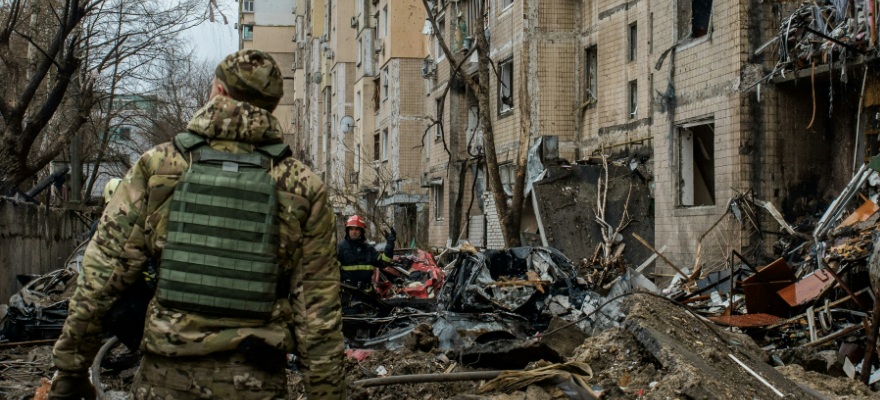
We live in a world gripped by unrest. Armed conflicts between nations, rising economic inequality, and deep social and racial divides. From tensions in Southeast Asia and the Middle East, to the war in Ukraine and the crises in our own communities, we are surrounded by pain that seems too vast to comprehend, let alone heal.
And yet, amid all this, we are invited to ask:
What is the role of contemplation in a world so wounded?
Can silent prayer really stand against the machinery of conflict, the systems of oppression, or the economic forces that crush the poor? If we are honest, many of us wrestle with the relevance of our spiritual practices in the face of such overwhelming need.
A radical and necessary force
The answer begins with a shift in how we understand contemplation. It is not a retreat from the world. It is a deep engagement with it, from the inside out. Contemplation, when lived with integrity, is not passive. It confronts. It heals. It restores.
This world of ours, broken by war, fractured by fear, poisoned by greed, needs not only policy reform or economic restructuring. It needs healed hearts. Because all conflict, no matter how global in scale, begins in the human heart. It begins in disordered desires: pride, fear, domination, ego. And so the only place true healing can begin is within.
This is where contemplation steps in. It is the journey to the root of the root of the heart. And from this interior space, healing begins.

Full attention to God
Contemplation means giving our full attention to God. And when we are attentive to God, we naturally become more attentive to the world and to ourselves. This attentiveness is cultivated through silence, stillness, and presence. It may seem like a personal, even hidden act, but its effects are transformative and far-reaching.
In silence, we confront the shadows within us. Our irritability, our judgments, our fears – these rise to the surface not because we are failing, but because we are going deeper. The silence reveals what must be healed. And in that confrontation, we are changed.
Contemplation confronts
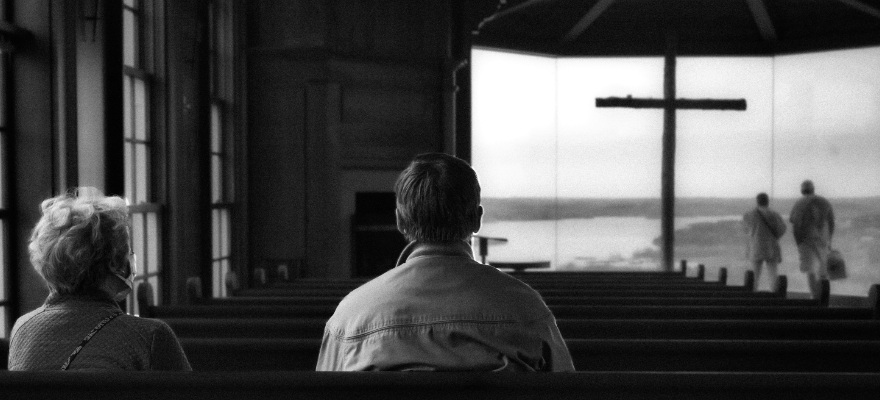
True contemplation does not avoid evil. It faces it. It resists the temptation to turn away.
As Thomas Merton wrote, “The contemplative is not the one who turns away from the world, but the one who sees the world in the light of God.”
To see the world in God’s light is to see it through mercy and compassion. It is to refuse the illusions of separateness. It is to reject the systems that divide us by race, class, or ideology. Contemplation reorients our hearts, from ego to communion, from domination to stewardship, from alienation to solidarity.
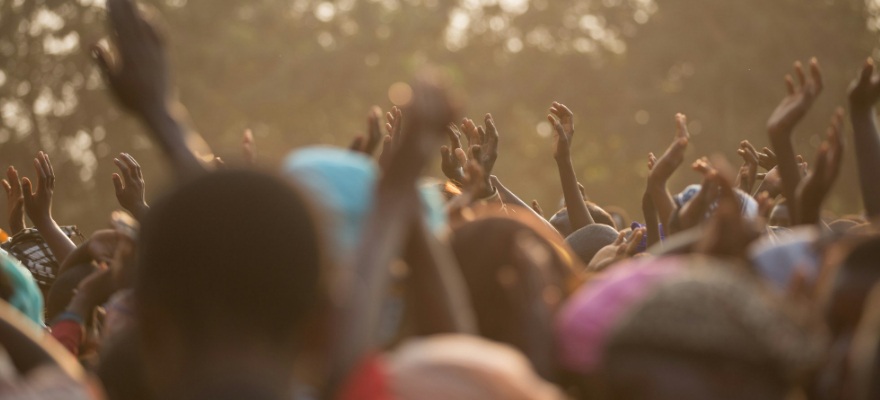
And just imagine if more and more people lived from this deep center. If communities, institutions, and leaders embraced contemplation, decisions would no longer be driven by fear or profit alone, but by justice and love.
Compassion is the fruit
At the heart of contemplation is universal compassion. It is not selective. It transcends barriers and embraces all forms of life. In deep prayer, we feel connected, not only to those we love, but also to the suffering, the forgotten, even those we once called enemies.
As contemplatives, we do not merely advocate for peace. We embody it. Peace must become blood, sweat, and desire. It must live in our tone, our choices, our presence. Then, and only then, do we become true peacemakers, sharers in the Beatitudinal life.
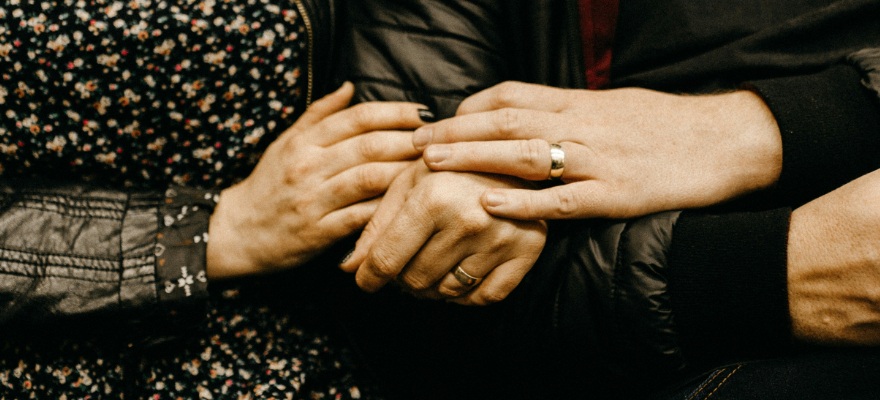
This embodied peace becomes a powerful, non-violent resistance. We join a long line of spiritual revolutionaries – Gandhi, Martin Luther King Jr., the prophets of our own history – who resisted evil not with violence, but with spiritual clarity rooted in prayer.
The silent cry for justice
Contemplation makes us vessels of intercession. We sit in silence not to escape the world’s pain, but to carry it. To offer it. To lift it up. Every cry we hear, every burden entrusted to us, is carried into the heart of God through our prayer.
Even as we tend to our own wounds, we stand in solidarity with the wounded world. We know what it means to hurt, and so we pray with and for every hurting soul.
In this silent solidarity, no injustice goes unacknowledged. No pain is unseen. This silence is powerful. It has the strength to puncture the very heart of God.

Real change begins in the heart
Lasting change in society, whether in politics, economy, or even the Church, cannot happen without the conversion of hearts. We speak often about changing systems, but we must also ask: What in me needs to change? What spiritual toxins am I contributing to the world’s brokenness?
Contemplation targets the soul. Institutions may serve human development, but contemplation reaches deeper. It is the quiet overhaul of the heart, flushing out fear, pride, anger, and greed, and making room for truth, love, and mercy.
The heartspace of peace
This inner transformation gives birth to what we might call our heartspace, an interior wellspring from which peace flows. It is a spacious, inclusive space. And from this space, peace reaches all. Without distinction. Without reserve. In abundance.
The contemplative life offers this gift to the world:
A love rooted in truth.
A peace that is not reactive, but redemptive.
A presence that heals.
As John Main wrote, “Peace in the world depends on peace in the heart.”
So let us be silent revolutionaries. Let us continue our practice, not as an escape, but as a quiet revolution of love. Let us pray, not only for ourselves, but for our nations, our leaders, our broken world. Let us resist, not with fists, but with fidelity to silence. And may that silence, held in love, transform the world from within.