Crossing the Threshold of Hope
Based on a formation talk by Rev. Fr. Pachomius Ma. San Juan, OSB
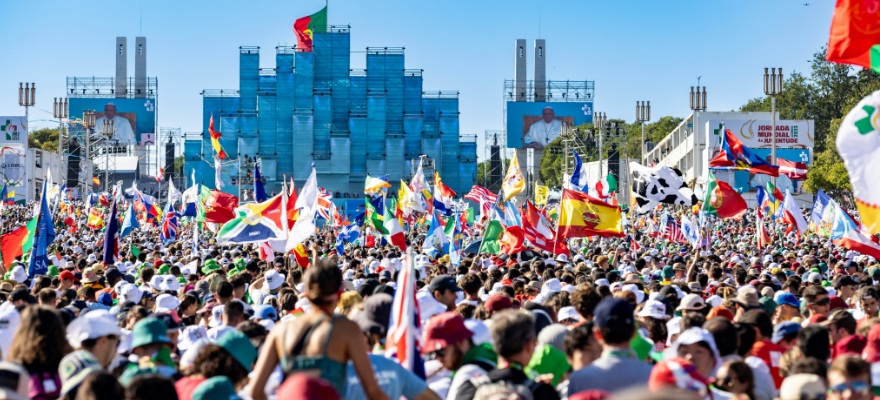
Every few years, the world witnesses something remarkable. A gathering of millions of young people from every nation, waving flags, singing hymns, and walking long roads together in the name of faith. World Youth Day has always been a testimony that the young, despite the noise and distractions of the age, still hunger for God.
Beneath the fascination with gadgets and fashion, there is a spark that refuses to die, a yearning for something lasting, beautiful, and true.
To see one million young men and women walking joyfully in the streets, celebrating their faith with the Holy Father, is to glimpse the future with new eyes. It tells us that, despite all appearances, the next generation is not lost. There is reason to hope.
The natural and the supernatural in the young
Youth reminds us of ideals we once held, of the world as a place of promise, of life as something still unfolding. Their eagerness for what comes next – a new school year, a new season, a new dream – mirrors the spiritual growth we are all called to. In their natural vitality, we perceive supernatural potential. They teach us that life is meant to grow. In stature, in understanding, in grace.

Two modern young saints exemplify this truth: Blessed Pier Giorgio Frassati, who died at 24, and Blessed Carlo Acutis, who left this world at 15. Both show that holiness is not the reserve of the old or learned; it is the fruit of youthful hearts fixed on eternity. They remind us that to remain youthful in spirit is to remain open to grace, to keep desiring innocence, even if we have lost it. God never withholds that grace from those who long for it sincerely.
The crisis of hope
Yet alongside this radiant hope, our culture wrestles with a deep and painful crisis. For every flag raised at World Youth Day, there are countless young people burdened by despair. Studies show rising rates of depression and suicide, especially among high school students. Families are fractured; drugs and pornography distort desire; consumerism promises happiness but delivers emptiness.
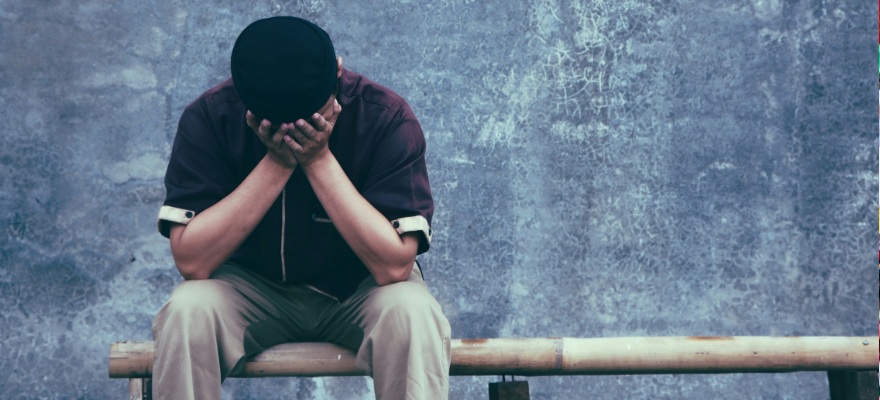
Even among adults, hopelessness manifests in subtle ways. In assisted suicide, in addiction, in spiritual fatigue. Beneath these symptoms lies what one might call practical atheism: living as if God did not exist. We may still profess belief, attend Mass, even serve in ministries, yet live with no deep root in the presence of God. This too is a form of hopelessness. Not the denial of faith, but its quiet disuse.
Hope: Life with God
St. Paul and Pope Benedict XVI both describe hopelessness as “living without God in the world.” Therefore, hope is the opposite: living consciously with God, aware of His presence, trusting His promises, and walking in His light.
Hope is not naive optimism. It is the conviction that God is Emmanuel, still with us, whispering in the depths of our hearts: “Do not be afraid. I am with you.” Problems may overwhelm us, but no problem is too much for God. Without Him, even small inconveniences feel like mountains; with Him, even mountains move.
Hope, then, is both a theological virtue and a moral muscle. It connects us to eternity, yet must be exercised daily through choice and effort. As muscles grow stronger through movement, so hope deepens through acts of faith, perseverance, and love.
The Jubilee of Hope, like every sacred season, invites us to strengthen this muscle through seven practices that keep hope alive.
- Prayer
Prayer is the first and most essential act of hope. Every time we pray, we affirm that God listens, that He cares, that His promises endure. Prayer is not only speaking. Sometimes it is waiting, or sitting in silence that becomes God’s own language to us.
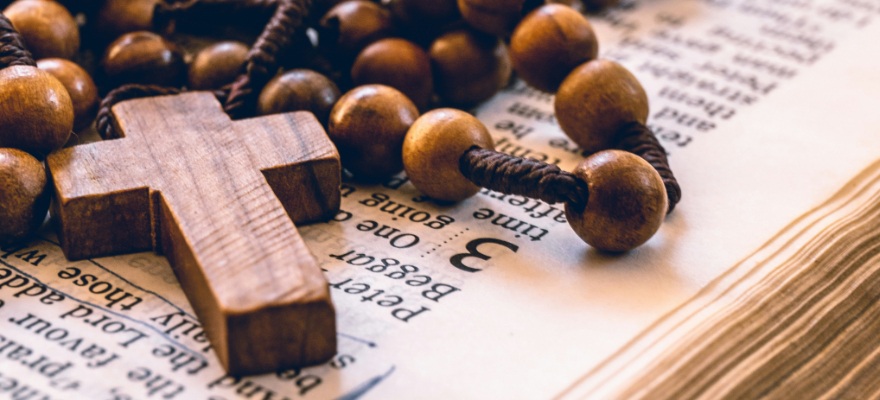
Meditation, too, is prayer, a quiet gaze at the mystery of Christ’s life, especially His Passion and Resurrection. Good Friday was the most hopeless day in history, yet from that darkness rose eternal life. Every time we meditate on this Paschal mystery, we exercise our hope.
- Gratitude
The second act is gratitude, the art of remembering that God has always been good. Meister Eckhart once said, “If the only prayer you ever say is ‘thank you,’ that would be enough.”
To give thanks is to recognize that God’s faithfulness never changes. What He has done before, He will do again. Gratitude keeps the heart supple and humble, preventing pride from hardening us against grace. Even trials become occasions to say, “Thank You, Lord, for trusting me with this burden.”
- The sacraments
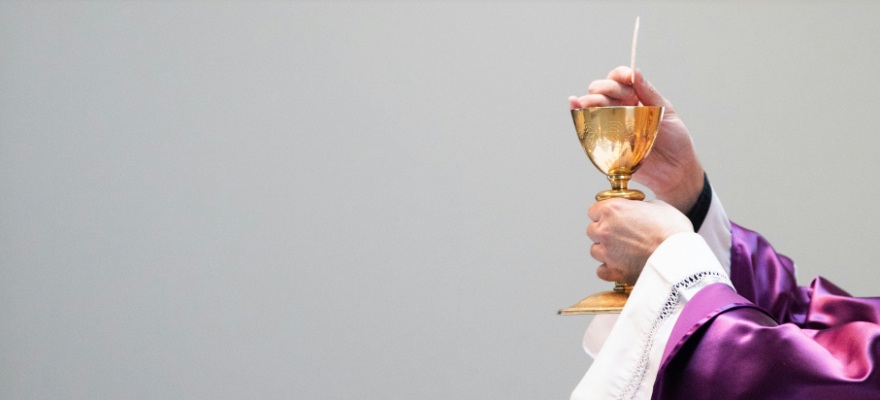
Third, we must draw life from the sacraments, especially the Eucharist and Reconciliation. In the Eucharist, we are reminded not only of what God has done for us but of what He continues to do. Every Mass is a promise renewed.
Confession, on the other hand, is God’s reset button, His way of restoring us to grace, no matter how far we’ve wandered. Each absolution is a quiet resurrection.
- Patience
Patience is the fruit of the Holy Spirit that sustains hope in the long stretches of waiting. It is not passivity but endurance with love. God often teaches patience by sending us people and situations that test it. Through them, we learn to slow down, to trust His timing, and to keep walking even when we cannot yet see the light.
- Sound teaching
Hope must be rooted in truth. St. Peter urges believers to “always be ready to give the reason for the hope that is in you.” This means studying our faith, through Scripture, catechism, and sound spiritual formation. Not to become scholars, but to keep our hope reasonable and firm.
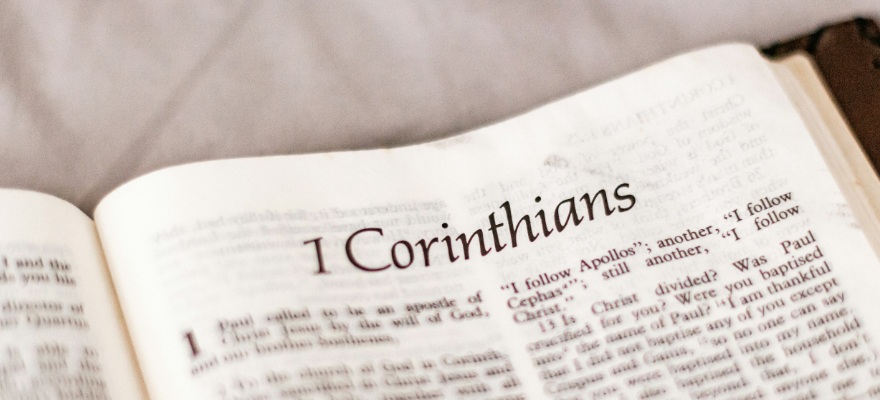
In an age of misinformation and fear-driven spirituality, knowing the truth anchors us. We learn that Christ’s promise, “the gates of hell shall not prevail”, outweighs every prophecy of doom.
- Doing good
The sixth practice is to act for the good. Hope grows through movement. When we serve others, create beauty, or ease another’s burden, we participate in God’s redemptive work.
Even small acts – cleaning a room, visiting the sick, forgiving an enemy – reawaken life in the soul. Goodness restores meaning where despair has settled. The more we bless others, the more we are healed ourselves.
- Devotion to Mary and the saints
Finally, hope finds its clearest witness in Mary, the Mother of God. She is not a symbol of naive optimism but of courageous trust. When faced with mystery – in the temple, at Cana, beneath the Cross – she did not argue or withdraw. She pondered. She prayed. She hoped.
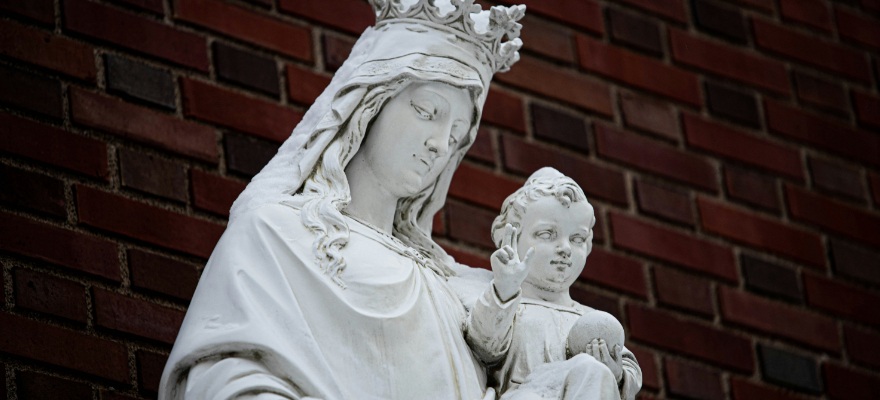
To walk with Mary is to walk with someone whose heart was anchored in heaven even as her feet remained on earth. Her Assumption reminds us of our destiny, that we, too, are made for heaven.
Crossing the threshold
St. John Paul II once wrote that it is not enough to stand before the door of hope. We must cross the threshold. This means allowing God to lead us through every uncertainty, to let Him turn our pilgrim paths into a journey of trust.
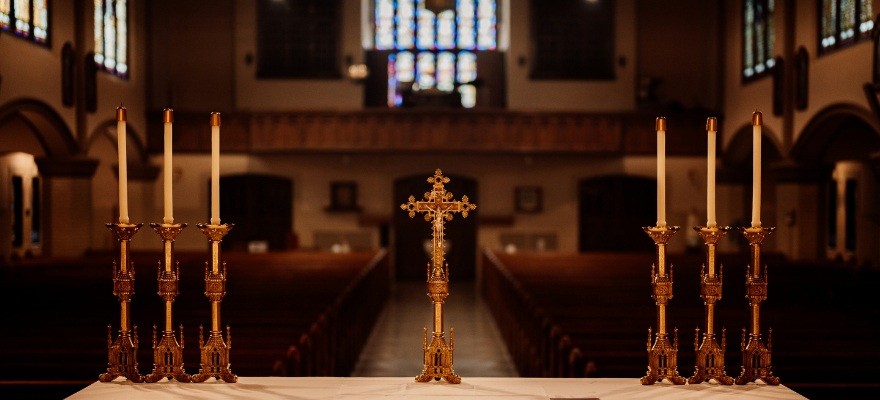
Every time we enter a church, every time we open our hearts in prayer, we cross that sacred threshold again. Our life itself is a pilgrimage that will end only when we reach the gates of the heavenly Jerusalem. Until then, we keep walking, as pilgrims who are hopeful, faithful, and in love.
Our greatest hope is not found in success, health, or even human love, all of which fade with time.
Our greatest hope is eternal life in Christ, who will claim us for Himself. And until that day, we are invited to keep our lamps burning, our hearts grateful, and our eyes fixed on heaven, for that is where we truly belong.
One thought on “Crossing the Threshold of Hope”
Thank you Padre Pacho.
Thank you Heartspace family.
God bless always! 🙏