The Eye That Cannot See Itself: Rediscovering the Authentic Self Through Meditation
Based on a talk by Rev. Fr. Pachomius Ma. San Juan, OSB
There are words that refuse to give themselves away too quickly. In Tagalog, salawikain comes close. A proverb, a riddle, a poetic whisper – its meaning shifts depending on who hears it. We sit with it, let it linger, and only over time does it begin to shape our understanding.
Buddhist tradition treats the koan the same way: a statement that eludes instant comprehension, inviting the meditator to let meaning unfold from silence. One such koan is stark and memorable:
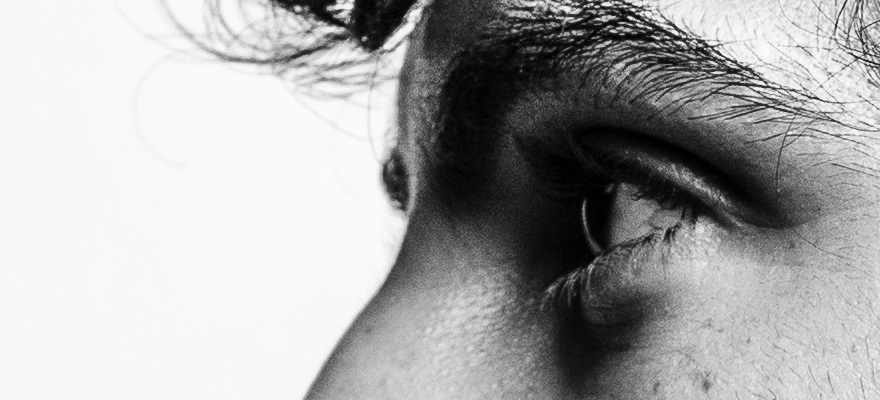
“The eye that sees, but cannot see itself.”
At first, it sounds like a contradiction. How can the eye, which perceives everything, be blind to itself? But we begin to understand when we recognize that the eye the koan points to is not our physical organ. It is the self. The I that judges, comments, analyzes, compares. The self-conscious self that is forever scanning its surroundings for what is lacking or wrong.
In other words, the ego.
Looking around, not ahead
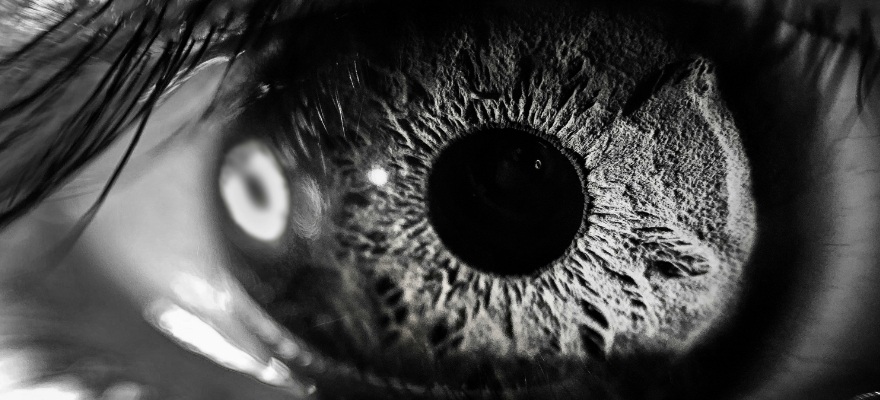
Most of us live with an “eye” that constantly looks outward. Not to behold beauty, but to scrutinize, evaluate, or criticize. Sometimes that gaze turns inward as self-condemnation. The ego’s eye is restless, easily threatened, and quick to distort. It can twist our view of others, ourselves, and even God.
Meditation invites us to cultivate a different kind of seeing:
an eye that looks straight ahead, not around.
An eye that does not fold inward on itself, but rests, clear and unselfconscious, in God.
This eye represents the authentic self, the self that emerges only when the noisy, controlling ego moves aside.
The silence beyond the ego
The ego creates noise. Its fears, compulsions, plans, and narratives spin endlessly, reinforcing themselves every time we try to sit in stillness. Anyone who meditates knows this struggle: thoughts multiplying, memories intruding, anxieties resurfacing.
But these distortions are not failures. They simply reveal how tightly the ego has been running the control room of our hearts.
Christian meditation counters this not by argument or force, but by surrender. Through the gentle, faithful repetition of the mantra, we loosen the ego’s grip. We do not meditate to improve ourselves, but to give ourselves over. To the Word, to the Spirit, to Love Himself.
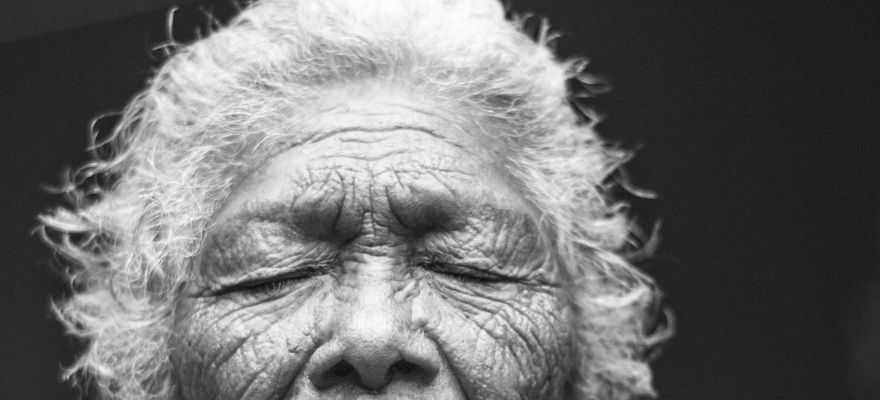
In that stillness, something profound happens: the Spirit neutralizes the ego. Not by violence, but by presence.
And slowly, we awaken to the self that finds its identity not in performance, usefulness, or fear, but in God.
The self found in God
As the mantra draws us toward our inner still center, we begin to encounter who we truly are. Not the self of accomplishments or anxieties, but the self who rests in God. This discovery leads to communion, a union grounded in what we share with Christ.
We stand on common ground with Him: He is the Son; we are sons and daughters. In this truth, we find our origin, our path, and our destination.
Communion, common union, is not merely an experience. It is the structure of reality. It is the way of love, the very bedrock of our identity.
Built on grace, not achievement
Meditation is humbling because it exposes how often we falter. We are not always faithful to the mantra. We find excuses, delay, or grow discouraged. And yet meditation is not about success. We cannot manufacture the encounter; it is pure grace.

Our part is the desire.
Desire expressed through fidelity, even imperfect fidelity. And over time, this fidelity slowly quiets the ego’s control room.
We begin to act less from self-concern and more from love. Less from insecurity and more from compassion. Less from fragmentation and more from wholeness.
The true self becomes spacious, untroubled, open to God’s love, and grounded in the experiential knowledge that this love is real.
A love that proves our worth
In silence, we discover that God never withholds His love. He lavishes it, wastes it, on us. Not because we are worthy, but because He is infinitely loving. And the very fact that He loves us so abundantly reveals something unimaginable:
We are infinitely lovable.
Not in theory or theology alone, but as a truth verified experientially in the heart.
This kind of knowing cannot be pressed into the mind or argued into existence. It must be tasted in silence. It is heart-knowledge, the deepest and most reliable kind.
Knowing God and becoming free
Meditation teaches us to “Be still and know that I am God.”
This knowing is not conceptual. It is lived. And as it deepens, we find that we no longer live for ourselves, but for Christ who lives in us.
This is the transformation the contemplative tradition promises: a movement from ego-centeredness to God-centeredness, from distortion to clarity, from fragmentation to communion. If we give ourselves to this path, even falteringly, we will inevitably be changed.
The eye that sees truly
And perhaps this is what the koan has been whispering all along. The eye that sees but cannot see itself is the self set free from itself. The self no longer curved inward, but transparent, steady, and open to God.
Meditation trains this kind of eye within us. An eye that sees clearly, because it is no longer consumed by seeing itself.
When the ego steps aside, the true self awakens, and discovers it has always been held in love.