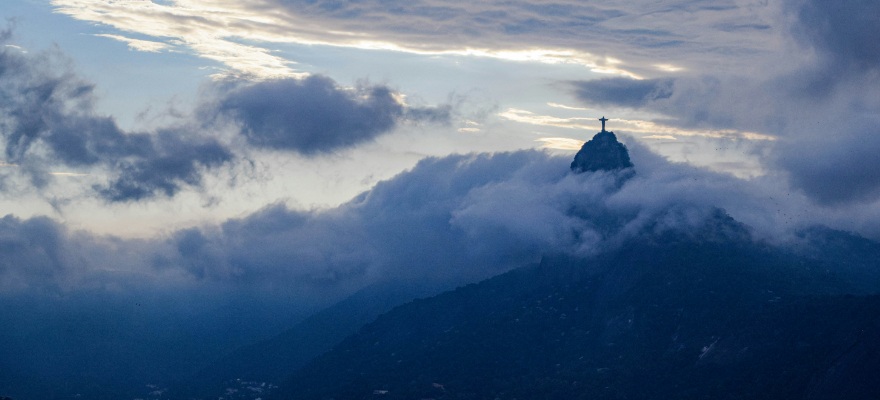
Standing Where Christ Stands: Prayer as Presence in a Fractured World
Based on a homily by Rev. Fr. Pachomius Ma. San Juan, OSB
We never enter a new year empty-handed. We arrive carrying everything the last one has laid upon us. Losses we didn’t choose, disappointments that altered us, truths that stripped away our illusions of control. Trust has been shaken. Institutions we leaned on have faltered. Grief has left some of us without words. Fear, at one point or another, has found us all.
Scripture does not deny this. Saint Paul names it plainly: the whole creation has been groaning. And so have we.
A contemplative life does not look away from that groaning. It refuses denial, spiritual bypassing, or the false comfort of pretending things are better than they are. Yet contemplation also refuses despair. It dares to look through the world’s wounds with the eyes of Christ.

We cannot claim to love Christ and abandon the world he loves. We cannot turn toward heaven while turning away from our people. The Gospel leaves no room for such separation.
So where do we begin?
We begin by remaining.
Prayer as presence, not escape
Prayer is often misunderstood as retreat, a stepping away from disturbing headlines, relentless noise, and painful realities. But prayer, at its deepest, is an act of presence. When we pray, we stand exactly where Christ stands: between heaven and earth, between promise and impossibility.
In a loud, fractured culture, choosing silence and listening is already a proclamation of faith. It declares that meaning still exists, that God still speaks, even when the message is subtle and the silence feels empty.
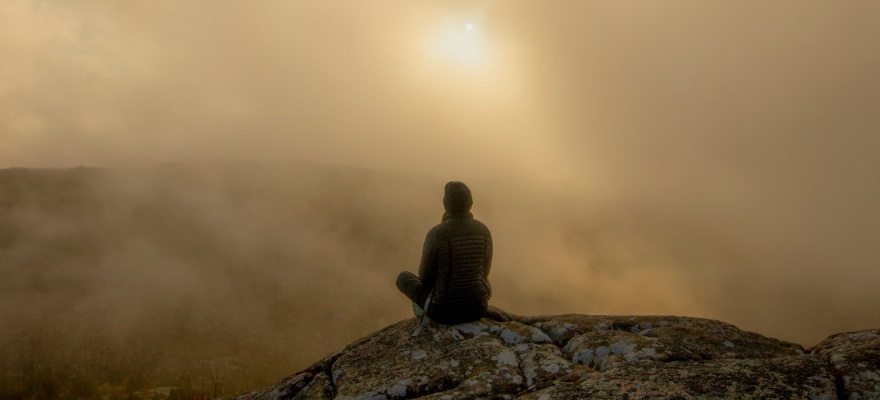
There will be days when prayer feels dry, pointless, or exhausting. When nothing seems to happen. When God feels absent. The invitation then is simple and difficult: stay. Remain seated like a night watchman. Awake, alert, faithful to the hours before dawn. The light always comes, even if it arrives quietly.
Hope that survives the Cross
Christian hope is not optimism painted over ruins. It is not wishful thinking or denial dressed up as faith. Our hope is born from the cross and released from the tomb.
The resurrection does not erase wounds. It transforms them.
We hope not because circumstances are improving, but because Christ has irrevocably entered history. Evil does not get the final word. Despair may shout, but it does not rule. To hope is to consent, again and again, to God’s work, even when progress feels invisible and outcomes uncertain.
Hope, in this sense, is an act of resistance.
Gratitude as spiritual defiance
Gratitude, especially in hard times, is not naïveté. It is defiance.

To give thanks is to refuse the lie that God has withdrawn. It is to recognize grace where the world sees only absence. Every small kindness, every moment of beauty, every breath that still fills our lungs testifies that we have not been abandoned.
Gratitude purifies memory. It prevents suffering from becoming the only lens through which we interpret reality. It reminds us that pain is real, but not total.
A Gospel kind of optimism
There is a kind of optimism the Gospel does not ask of us, the kind rooted in personalities, power, slogans, or surface reassurance. Gospel optimism is quieter and sturdier.
It is the confidence that God is at work beyond what our eyes can confirm. That seeds planted in barren soil are still seeds. That faithfulness matters, even when results are delayed.
This kind of optimism does not rush. It waits, tends, trusts.
Mindful, awake, attentive
To live contemplatively in the world is to live awake, to God’s presence in ordinary days, to the suffering of others, to the subtle movements of the heart. Mindfulness guards us from cynicism, bitterness, and numbness.

God is rarely found in spectacle. More often, God speaks through a steady assurance: I am with you always. Silence becomes the soil where that assurance can be heard.
We pray in distracted times. We cultivate hope in a cynical culture. We practice gratitude in an age of complaint. We choose attentiveness amid anxiety.
We may not change the headlines. But we can help change the moral and spiritual atmosphere in which those headlines are read.
Remaining in Christ
The invitation for this new year is not dramatic. It is faithful.
Remain prayerful.
Remain hopeful. Remain grateful. Remain awake. Remain in Christ.
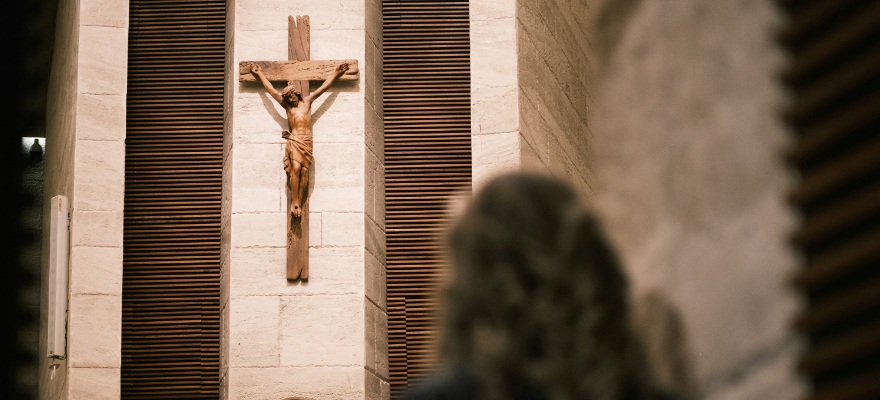
Let contemplation give birth to compassion. Let silence mature into solidarity. Let hope become light.
The times are difficult. They have been, and they will be again. Yet this moment has been entrusted to us. Not because we are strong, but because grace is sufficient.
The darkness has not overcome the light.
And it never will.