Unlocking the Doors: Faith, Doubt, and the Courage of Easter
Based on a homily by Rev. Fr. Pachomius Ma. San Juan, OSB
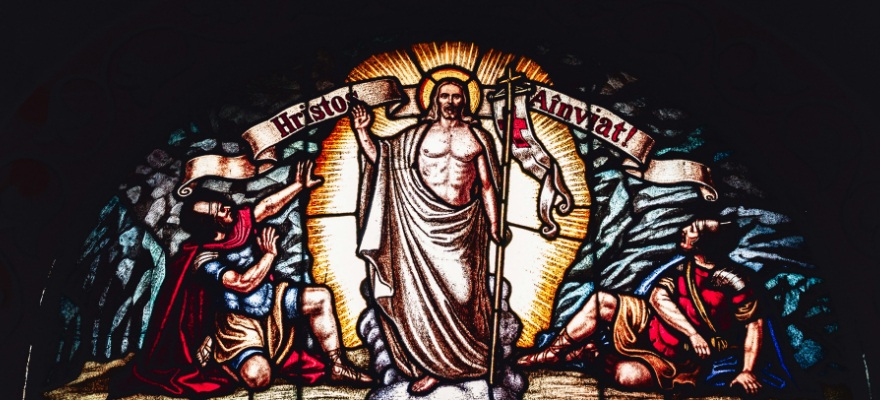
The disciples were gathered behind locked doors, fearful, uncertain, and perhaps deeply disillusioned. The One they had followed was crucified. Their hopes, once alive with promise, now seemed shattered. In that closed room filled with anxiety and defeat, something unexpected happens.
Jesus comes.
He does not break down the door. He does not rebuke them for abandoning Him. Instead, He stands among them and offers peace. This is the first gift of the Resurrection: not judgment, but mercy.
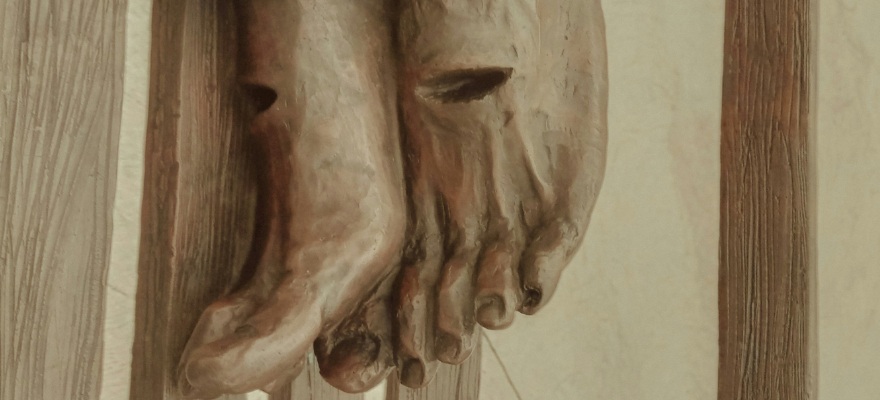
And yet, the risen Christ does not erase the wounds of the cross. He bears them. The marks of suffering remain visible. The Resurrection does not deny pain. It transforms it. The risen Jesus is still the wounded Jesus.
For those who are called to be His hands and feet in the world, this is both comforting and challenging. Love, mercy, and self-giving are not abstract ideals. They are lived realities, often costly ones. The cross reminds us just how difficult it is to love as Christ loves.
The courage to doubt
Among the disciples, one was missing: Thomas. Because he was absent, he missed that first encounter with the risen Lord. When the others told him what had happened, he could not believe.
Yet Thomas does something deeply human, and deeply courageous. He voices his doubt. He does not hide it. He does not pretend. He brings it into the community.
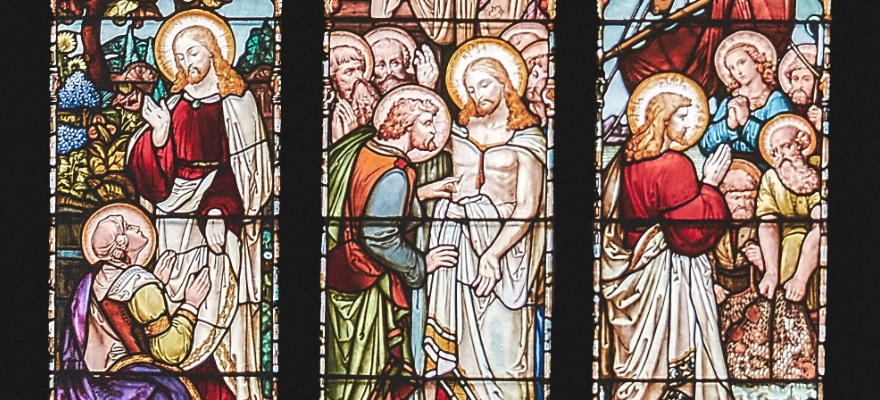
And when Jesus appears again, this time with Thomas present, He does not shame or scold him. Instead, He meets Thomas exactly where he is. He invites him to see, to touch, to encounter.
But in the end, Thomas does not need to touch the wounds. Seeing Jesus is enough.
“My Lord and my God.”
With these words, Thomas makes one of the most profound declarations of faith in all of Scripture.
His journey reveals something important: doubt is not the opposite of faith. It can be a path into deeper faith. Thomas becomes a representative of all who struggle, all who question, all who long to believe but cannot do so easily.
In that sense, Thomas stands for us.
Blessed are those who have not seen
The Gospel builds a bridge, from those who saw the risen Christ to those who have not. Jesus declares a blessing for those who believe without seeing. That blessing is for us.
Faith cannot simply be inherited. It cannot rest solely on the belief of parents, teachers, or community. While their faith can guide and support us, each person must come to a personal encounter, a moment when, like Thomas, we can say with conviction: My Lord and my God.
This is the invitation of the Resurrection: not just to hear about Christ, but to know Him.
Saying yes to life
The Resurrection is more than an event to remember. It is a call. It is God’s “yes” to humanity, a declaration that life is stronger than death, that hope is stronger than despair. And that “yes” asks for a response.
We are invited to say yes in return: Yes to life, even when it feels fragile. Yes to hope, even when it seems unreasonable. Yes to the possibility that more life awaits us, beyond what we can see or imagine.
This is not an easy invitation. It is a risk. But it is a risk that leads to transformation.
Faith in every season
Faith is not static. It moves and changes, like life itself. There are moments when faith feels strong and radiant, like standing on a mountaintop, seeing clearly, feeling alive with purpose. And there are moments when faith is fragile, like a small flame flickering in a storm. Both are part of the journey.
Faith must be nurtured. It must be prayed over, reflected upon, and lived out. It is not something to be locked away for safekeeping. It grows through use, through trust, through struggle, through love.
The courage to open the door
Easter is a feast of courage. The disciples began behind locked doors, but the story does not end there. The risen Christ brings peace, but He does not open the doors for them. They must do that themselves. And so must we.
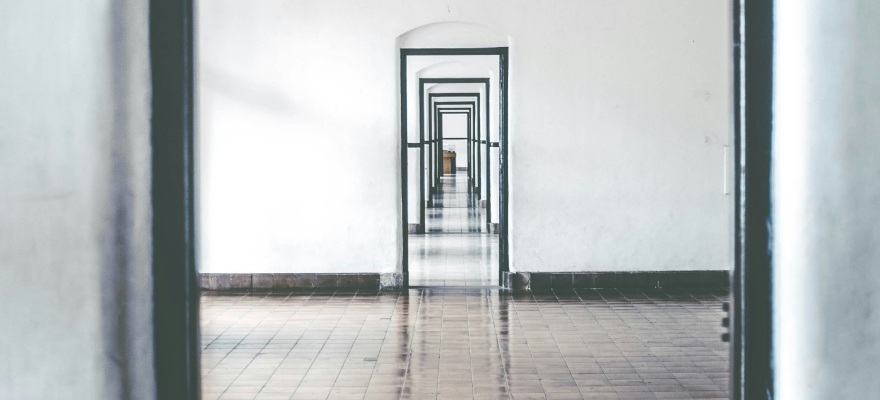
There are many doors we keep locked: Doors of fear, of regret, of resentment, of doubt. The Resurrection assures us that there is life on the other side of those doors. But we are the ones who must choose to open them. Each time we do, we step into new life. Each time we do, we participate in our own resurrection.
Believing together
Faith is deeply personal, but it is never meant to be lived alone. Like Thomas, we need a community where we can bring both our belief and our doubt. A community that listens, supports, and journeys together.
In prayer, in meditation, in shared life, faith deepens. It grows stronger not just within individuals, but within the body as a whole. Together, we face the uncertainties of the world. Together, we hold onto hope. Together, we trust in the mercy that surrounds us.
A final invitation
The Resurrection is not only a past event. It is a present reality. It is an invitation to live differently. To trust more deeply, to love more fully, to hope more boldly.
The doors may still be closed. Fear may still linger, and questions may remain. But Christ stands among us, offering peace. The rest is up to us.
Will we unlock the door?