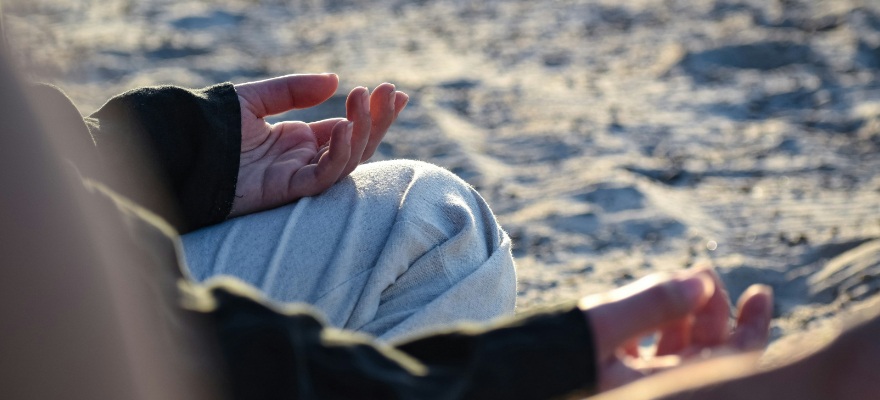
Meditation: A Relationship That Transforms the World
Based on a talk by Rev. Fr. Pachomius Ma. San Juan, OSB
Let me begin with a simple but often misunderstood truth: learning to meditate is not merely about mastering a technique. It is not a skill to perfect, nor a method to optimize. At its heart, meditation is a relationship. Our living, dynamic relationship with God.
This changes everything.
When meditation is reduced to technique, it risks becoming self-centered, another personal practice aimed at self-improvement or inner calm. But when we understand meditation as relationship, we enter into something far deeper. We begin to see that meditation is not just about what happens within us; it is also about how we are connected, to God and to one another.
The vertical and the horizontal
Our relationship with God forms the vertical dimension of meditation. But there is also a horizontal dimension: our relationship with others. True meditation does not isolate us. It does not turn us inward in a way that disconnects us from the world. Instead, it deepens our capacity for connection.

This is why community matters. Meditation, though practiced in silence, is never solitary in its meaning. Practicing together strengthens perseverance. Being part of a community reminds us that the contemplative path is shared, not walked alone.
And yet, there is a subtle danger here.
The myth of withdrawal
Many assume that a commitment to the inner life leads to disengagement from the outer world. That because we value silence, we become indifferent to suffering. That because we seek stillness, we no longer care about injustice, violence, or human need.

This is not just mistaken. It is dangerous. Silence is not an escape. Solitude is not indifference. Contemplative prayer is not a retreat from responsibility.
In fact, authentic silence sharpens our awareness. It opens our eyes. It sensitizes us to the pain of others. It calls us, not away from the world, but more deeply into it, with greater clarity and compassion.
God is not far away
At the center of contemplative prayer is a profound realization: God is already within us.
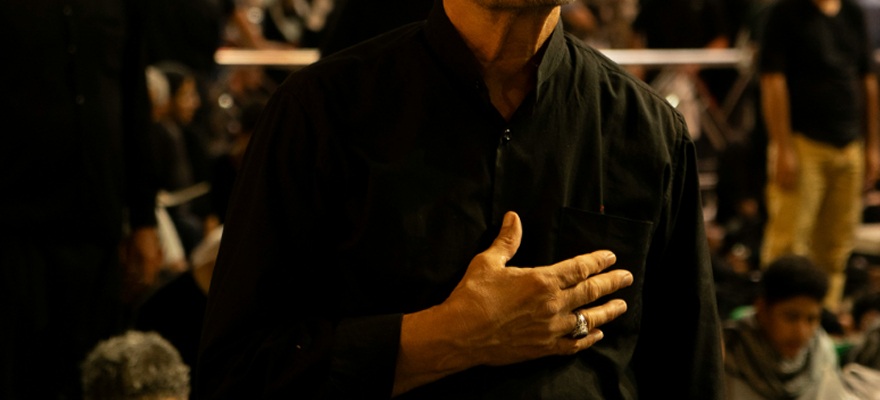
We do not need to search endlessly outside ourselves. We do not need to construct elaborate thoughts or images to find God. The Divine Presence is already here, closer to us than we are to ourselves.
And yet, we miss this presence. Why? Because we are busy. Constantly thinking, planning, desiring, worrying. Our inner noise drowns out the quiet presence of God.
Meditation begins with a simple intention: to be present. Not to think about God, but to be with God. Not to speak, but to listen. Not to strive, but to trust. The work is simple, but not easy.
The role of the Spirit
We are not alone in this journey. The Spirit within us gently reminds us of God’s presence. The Spirit prompts, nudges, and invites. The Spirit transforms.

But there is one thing the Spirit does not do: force. God waits. There is a deep respect for our freedom. We can resist, delay, or ignore this invitation. We often do. But the invitation remains. Patient, constant, and full of love.
The struggle within
Silence is not always peaceful. It can be confronting. In the quiet, we meet ourselves. Not the polished version we present to the world, but the deeper reality. Our fears, illusions, insecurities, and false identities surface.
This can feel like struggle. But this struggle is not a problem. It is the beginning of transformation. We begin to see that the false self, built on illusion and pretense, cannot sustain us. It cannot give lasting peace. Only what is real can do that. Only God can.

And so, we are invited to choose. To let go of what is false. To surrender what is hollow. To embrace what is true.
From solitude to compassion
There is no real divide between contemplation and action. The idea that silence leads to disengagement is a false dichotomy. In fact, the deeper we go into silence, the more we return to the world with love.
We cannot give what we do not have. If we are fragmented, we cannot bring wholeness to others. If we are disconnected from ourselves, we cannot truly connect with others.
But when we are restored, when we become whole, we begin to live differently. We become more patient. More forgiving. More compassionate. More attentive. These are the fruits of meditation. Not mystical experiences. Not dramatic revelations. But quiet, steady transformation expressed in daily life.
The test of authentic prayer
How do we know if our meditation is real? Not by how peaceful we feel in silence, but by how we live outside it.
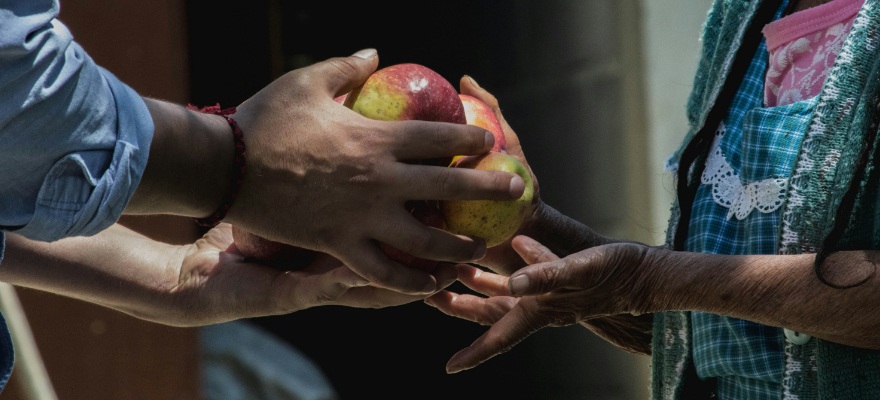
If our prayer makes us more self-absorbed, more comfortable, more detached from others, then we must question what we are truly seeking. But if our prayer expands our heart, if it leads us to greater love, greater service, greater courage, then we are on the right path.
Meditation should not make us silent in the face of injustice. It should give us the courage to speak. It should not make us passive. It should move us to act. It should not isolate us. It should deepen our solidarity with others.
A courageous silence
The contemplative life is not for the faint of heart. It requires courage to sit in silence. Courage to face oneself. Courage to surrender. But this courage does not remain hidden. It becomes action. It becomes a voice for the voiceless. A presence for the forgotten. A force for peace in a wounded world.
Bringing the world into silence
As we cultivate silence, we must not forget the world. The world is wounded. The world is in pain. The world is searching. We bring all of this into our prayer, not as distractions, but as offerings. And from that silence, we return. Not empty, but filled with love ready to be given.
Because in the end, meditation is not about escaping the world. It is about being transformed, so that we can help transform it. If our contemplative life does not lead to love in action, then it risks becoming irrelevant, something decorative, comforting, but ultimately ineffective.
But when meditation is truly lived as relationship, it becomes what it is meant to be: A quiet revolution of the heart that changes not only us, but the world around us.