The Soil of the Soul: How Christian Meditation Prepares Us for God
Based on a formation talk by Rev. Fr. Pachomius Ma. San Juan, OSB
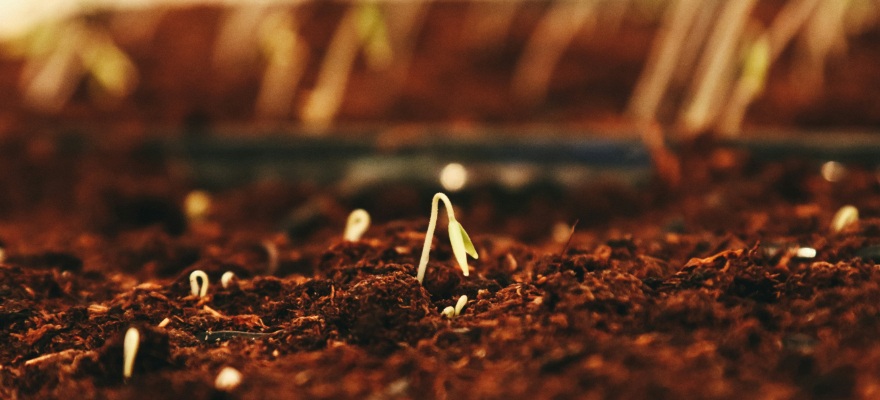
Jesus’ parable of the sower talks about seed. But it is more a story about soil. The seed is always good. The question is whether the ground is ready to receive it. Our hearts are much the same.
Some days we feel open, receptive, and full of hope. Other days our hearts resemble a well-worn footpath, compacted by responsibilities, anxieties, disappointments, and endless activity. We become so busy carrying the weight of life that the soul begins to harden almost without us noticing.
Christian meditation gently interrupts that process.
Breaking the hardened ground
A path becomes hard because countless feet have passed over it. Likewise, the human heart can become hardened through constant mental traffic. Worry. Resentment. Noise. Busyness. The endless stream of thoughts demanding our attention.
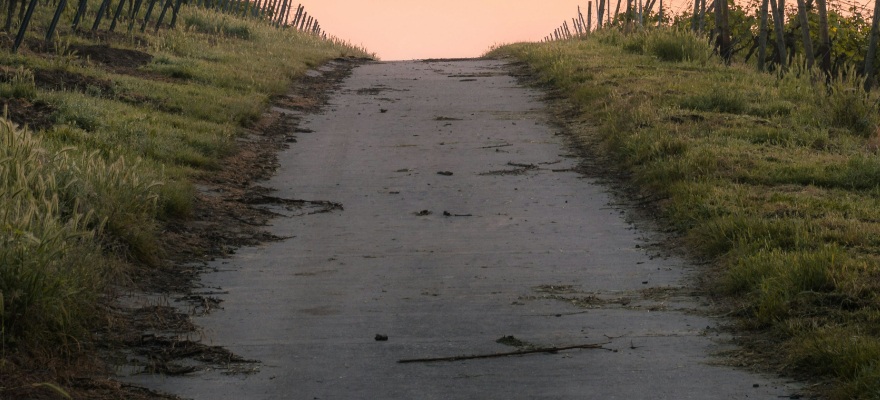
Rather than ask us to fight these things, meditation invites us to become still. By faithfully returning to the sacred word or mantra, we slowly reduce the traffic of the mind. In the silence, the Holy Spirit begins to soften what has become rigid and closed.
The transformation is rarely dramatic. It is usually quiet. Almost unnoticed. Yet over time, the ground becomes fertile once again.
Growing down before growing up
In a culture fascinated with visible progress, meditation teaches us something different: real growth happens underground.
A farmer never pulls on a plant to make it taller. He trusts what he cannot see. The same is true of the spiritual life. Every day we sit in prayer, regardless of whether it feels peaceful or distracted, fruitful or dry. We simply show up. That simple act of faithfulness allows our roots to grow deeper than passing emotions or spiritual experiences.
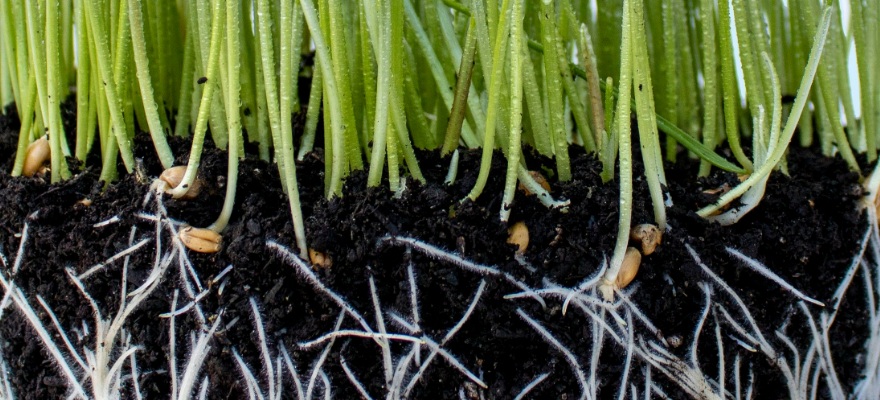
Eventually, those roots find their way into God Himself. Transformation does not begin with extraordinary experiences. It begins with quiet perseverance.
Clearing away the thorns
Jesus also speaks of the thorns that choke the seed.
Today’s thorns may look different from those of first-century Palestine, but they are no less real. Constant notifications. Digital distractions. Comparison. The pressure to achieve. The temptation to measure our worth by productivity.
While meditation does not magically remove these realities from our lives, it does loosen their grip.

As the heart becomes freer, our priorities begin to shift. Lesser things lose their power. Christ quietly moves back to the center where He has always belonged. That reordering may be the greatest miracle of all.
The hidden fruit
It is tempting to judge prayer by what happens during the twenty or thirty minutes we spend sitting in silence. But the true fruit of meditation appears elsewhere.
It shows itself in greater patience with difficult people. In the ability to forgive more readily. In compassion replacing judgment. In peace where anxiety once ruled. In humility replacing the need to prove ourselves.
The measure of prayer is not how silent we become while meditating, but who we become after we rise from our chair. The deepest work of God often reveals itself in ordinary moments.
Becoming fire
One of the most beautiful images in Christian mysticism comes from St. John of the Cross. He compares the soul to a piece of wood placed into a fire.

At first, the wood remains distinct. Slowly, however, the flames consume it. Eventually, it glows with the same heat and light as the fire itself. It has not been destroyed; it has been transformed.
So it is with the spiritual life. As we surrender our false self, our ego, our fears, our endless striving, we discover the self that has always been hidden in God. We become what we have been seeking all along.
Learning to listen
Christian meditation is often described as “pure prayer” because it goes beyond words. There is a time for spoken prayers, petitions, and praise. But there is also a time simply to be present, to listen, to rest. To allow God to speak in the language of silence.
Scripture repeatedly points us toward this posture. Hannah prayed from the depths of her heart before a word was heard aloud. Jesus frequently withdrew into lonely places to pray. St. Paul reminds us that when we cannot find the words, the Holy Spirit prays within us with sighs too deep for speech.
Far from the absence of communication, silence is often where the deepest communication begins.
The mountain within
The spiritual life is often described as a journey up a mountain. Whether we think of Mount Carmel, Mount Sinai, Mount Tabor, or any mountain that represents our own vocation, relationships, work, or calling, the movement is always upward.

Yet one of the great discoveries of the ascent is that the mountain itself was never our greatest obstacle. We were.
Our fears, attachments, pride, and false self make the climb seem steeper than it truly is. As God patiently loosens our grip on these things, we discover that He is not asking us to conquer the mountain through sheer effort. He is inviting us, rather, to let go of whatever keeps us from Him.
The ascent, then, is less about climbing higher than about becoming lighter. The farther we journey, the more we discover that the path to God is also the path to our truest self. What falls away, therefore, is the illusion of who we thought we had to be.
Like the seed that disappears into the earth before new life emerges, we gradually lose the false self so that our true life in Christ may flourish.
Offering God good soil
Perhaps we spend too much time trying to produce spiritual fruit on our own. The Gospel suggests another way.
We cannot force growth or manufacture holiness. We cannot stretch ourselves into sainthood any more than a farmer can stretch a seedling into maturity.
Our task is far simpler. Prepare the soil. Show up. Return to silence. Offer God a heart willing to receive Him. The Holy Spirit takes care of the rest.
Like the seed in Jesus’ parable, the work often remains hidden for a long time. But beneath the surface, life is already unfolding. Roots are reaching deeper. The heart is becoming softer. Christ is taking His rightful place once more.
And in God’s perfect time, the harvest will come, not merely in what we accomplish, but in the people we become.