
Walking with the Holy Spirit: Living Icons of God’s Mercy
Based on a talk by Rev. Fr. Pachomius Ma. San Juan, OSB
Before we can work for God, we must first learn to walk with Him. And before we can become instruments of His mercy, we must allow ourselves to be transformed by it.
There is something deeply sobering about the Gospel’s warning against blasphemy against the Holy Spirit. Among the sins Jesus speaks of, this is the one that cannot be forgiven. But what does this mean for us?
There is a particular danger in the spiritual life: the danger of losing hope in God’s mercy. We may speak confidently of God’s infinite love and forgiveness, yet somewhere deep within us, we may secretly believe that we are beyond redemption. We may believe that our failures are too great, our sins too numerous, or our wounds too deep for God to heal.
This despair is more than discouragement. It is a failure to trust in the very mercy that God continually offers us. And carried too far, it is an affront to the Holy Spirit, whose work is to make God’s mercy alive and present in our lives.
No one living is beyond the reach of God. No one is beyond repair. No one is forever lost.
This is why learning to walk with the Holy Spirit is so essential, not only to our personal spiritual lives but also to the way we serve others.
Before we work for God, we must walk with Him
Those involved in ministry often ask themselves how they can become more effective servants of God. How can their ministries bear more fruit? How can they reach more people? How can they organize better activities, conduct more meaningful gatherings, and become more useful to the Church?

We tend to look for answers in better organization, greater talent, more creativity, or increased activity. But the deepest answer lies elsewhere: we must learn to walk with the Holy Spirit.
Before we can work for God, we must first walk with God.
Jesus Himself is our model. Nothing He did was apart from the Father’s will. His public ministry was guided by the Holy Spirit, and His entire life was an expression of communion with the Father. Before preaching, choosing His disciples, or offering Himself on the Cross, Jesus lived in complete surrender.
Our ministries, too, must begin with this same intimacy with God. Every outreach, every conference, every formation activity, every act of service must first be rooted in prayer. Otherwise, we risk becoming so occupied with doing God’s work that we forget to be with God.
When we cease to pray because we are too busy, something essential begins to fade. The inner fire is gradually extinguished. We become tired, frustrated, impatient, and disappointed. We may continue to accomplish things, but our service becomes increasingly dependent on our own strength.
There will always be fatigue and difficulties in ministry. These are normal. But there is a difference between carrying our responsibilities alone and allowing God to carry them with us. In truth, He carries far more than we realize.
When we surrender our work to Him, we are freed from the illusion that everything depends on us. We learn to serve faithfully without claiming ownership of the fruits of our labor.
Mercy must become a way of life
Mercy is not simply an idea to be discussed or a virtue to be admired. It is the Father’s love revealed in the Son and poured into our hearts through the Holy Spirit.

Whenever we extend mercy, we participate in the life of the Trinity reaching out to heal humanity: our families, communities, nations, the Church, and the world.
But mercy is not always easy to give, or, for that matter, to receive.
We may find ourselves speaking about forgiveness while being quick to anger, judgmental toward others, impatient with their shortcomings, or harsh in our responses. We may preach compassion while failing to practice it in our everyday encounters.
This is why we need the Holy Spirit.
Only the Holy Spirit can form our hearts after the heart of Christ. Only He can teach us to look beyond people’s faults and recognize their wounds. Only He can soften our tendency to contend, to criticize, and to condemn.
Without the Holy Spirit, mercy remains an abstract principle. With the Holy Spirit, mercy becomes a way of life, a way of loving. And this transformation begins within us. We cannot become channels of healing if we refuse to let God heal us first.
When ministry becomes about ourselves
One of the subtle dangers of ministry is the possibility of serving ourselves while believing that we are serving God.

This can happen without our even being fully conscious of it. There are warning signs we ought to recognize: the desire for recognition, attachment to positions of authority, competition with fellow servants, and a secret longing for praise and appreciation.
These tendencies reveal that our intentions may have become mixed. What began as an offering to God may gradually become an opportunity to affirm our own importance.
Thankfully, the Holy Spirit exposes these motivations, not to humiliate or embarrass us, but to free us from them. He invites us to examine our hearts so that we may serve with greater authenticity. He purifies our intentions and reminds us that our worth is not dependent on our accomplishments, our positions, or the recognition we receive from others.
True greatness in ministry is not measured by prominence or influence, but by love and surrender.
Perfect joy comes not from success, applause, or appreciation. It comes from knowing that we belong to Christ, that everything we are comes from Him, and that everything we do must ultimately return to Him.
There is a profound freedom in recognizing how little we can accomplish without God. Rather than diminishing us, this realization brings us joy. We no longer need to compete, compare, or prove ourselves. We simply need to remain faithful.
Learning to listen in silence
We live in a world filled with noise.
There is the noise of family responsibilities, careers, financial obligations, broken relationships, disappointments, and unresolved anger. There is also the noise of social media, politics, technology, and even ministry itself.

Our lives are so crowded with competing voices that we sometimes struggle to recognize the voice of God.
Yet the Holy Spirit often speaks most clearly in silence. Silence is His mouthpiece.
It is in silence that we allow the distractions and anxieties of everyday life to settle. It is there that the Holy Spirit purifies, teaches, penetrates, and heals. He helps us distinguish between what comes from our own fears and desires and what is being asked of us by God.
Without silence in our hearts, even our words and actions may remain entirely our own. We may be busy speaking about God without allowing Him to speak to us.
This is one reason Christian meditation is so important. It takes us beneath the surface of our thoughts and activities and leads us into the depths of the heart.
Transformation requires more than acquiring knowledge or performing more religious activities. It happens when we allow God to work within us, often in ways we cannot immediately see or understand. And from this hidden work of grace comes the ability to forgive, to trust, to love, and to begin again.
The greatest miracle is the transformation of the human heart
Do we still believe in miracles? Do we still pray for them?
It is understandable that the events around us can leave us feeling discouraged. The problems of our society, the uncertainties of the world, and the seemingly endless succession of personal and collective disappointments can feed hopelessness and cynicism.

We may begin to wonder whether anything can truly change.
But miracles still happen. And perhaps the greatest miracle of all is the transformation of the human heart. It is the proud heart becoming humble, the angry heart becoming peaceful, the fearful heart learning to trust, and the selfish heart becoming generous.
These transformations are not simply products of willpower. They are the work of the Holy Spirit.
Christian meditation is particularly relevant here because it works at the very place where genuine change begins: the heart. It does not merely teach us to think differently; it gradually transforms the way we see, receive, and love.
When a person who once could not forgive begins to extend forgiveness, that is a miracle. When someone who has been consumed by resentment finds peace, that is a miracle. When a heart closed by fear becomes capable of trusting again, God’s grace is at work.
The world may not always recognize these miracles, but they are among the most powerful testimonies to the continuing presence of God’s mercy.
We must first become beneficiaries of mercy
There is another temptation in ministry: to think of ourselves primarily as distributors of God’s mercy. We become so preoccupied with helping others, healing others, and reaching out to others that we neglect our own need for healing.
But we cannot give what we do not possess.

Before we can speak convincingly about God’s forgiveness, we must first acknowledge how deeply we ourselves need it. Before we can become instruments of reconciliation, we must allow God to reconcile us. Before we can offer healing, we must allow ourselves to be healed.
Saint Faustina offers us a beautiful example of this humility. During her lifetime, she encountered criticism and misunderstanding, even within her own religious community. Some questioned the authenticity of her spiritual experiences. Yet she never regarded herself as the owner or exclusive custodian of God’s mercy.
On one occasion, a fellow sister who struggled with scrupulosity and doubted whether God had truly forgiven her asked Saint Faustina to inquire about her forgiveness. Faustina did not presume to possess God’s mercy or speak as though she controlled it. Instead, she went to the chapel and brought the sister’s concern before the Lord in prayer.
This is an important lesson for all who serve. We must never imagine that we stand above those to whom we minister. We are not the proprietors of God’s mercy. We are its first beneficiaries.
This awareness keeps us humble. It prevents us from becoming Pharisaical, from looking down on others, or from believing that our service makes us spiritually superior.
Indeed, the more deeply we recognize our own need for forgiveness, the more generously we can extend forgiveness to others.
Daily surrender: Trusting the Holy Spirit to lead us
Walking with the Holy Spirit means living in daily surrender. It means trusting Him even when we cannot see the entire picture. The Holy Spirit may not reveal everything that lies ahead, but He guides our steps. He accompanies us as we discern, decide, and move forward in faith.
This surrender requires us to loosen our grip on our expectations, our need for control, and our assumptions about how things ought to unfold. The Holy Spirit speaks, loves, and serves through our words, hearts, and hands. He continues to work through ordinary people who make themselves available to Him.

Our task is not to become extraordinary in our own strength, but to become willing instruments of His grace. And when we allow Him to work through us, something changes in the way we approach ministry and relationships:
- Fear gives way to freedom.
- Pride gives way to humility.
- Anxiety gives way to peace.
- Rivalry gives way to communion.
- Competition gives way to cooperation.
- Judgment gives way to mercy.
This is the fruit of a life surrendered to the Holy Spirit.
Never despair of God’s mercy
We return, finally, to the warning against blaspheming the Holy Spirit. One of the most tragic expressions of this sin is despair: the refusal to believe that God’s mercy can reach us, the conviction that we are beyond forgiveness, or the belief that our lives are beyond repair.
To despair is to give up when God has not given up on us. It is to close the door when He continues to invite us home.

The mercy of God is not limited by the depth of our failures or the extent of our brokenness. There is always a way back. And each time we begin that journey home, the Holy Spirit is there to guide us.
We are worth every drop of blood Christ shed to win us back. This is not a license to take sin lightly. Rather, it is an invitation to take God’s mercy seriously. We must never presume upon His forgiveness, but neither must we presume that our sins are greater than His love.
Our calling, then, is not merely to talk about mercy but to embody it. When we smile instead of responding with irritation, when we exercise patience, when we listen without judging, when we practice humility, when we forgive, and when we bring peace into difficult situations, we become living icons of God’s mercy.
We become mercy in action.
And this is the work of the Holy Spirit: to bring the mercy that flows from the heart of God into our hearts, and from our hearts into the lives of others.
We receive mercy so that we may be transformed by it. And having been transformed, we become messengers and instruments of that same mercy.
May we never grow so busy serving God that we forget to walk with Him. May we never become so preoccupied with healing others that we neglect to let Him heal us. And may we never allow the noise of the world to drown out the quiet voice of the Holy Spirit.
Above all, may we never despair of the love of God. For no one living is beyond His reach. No one is beyond repair. And no one is forever lost.
A Prayer for Those Who Walk with the Holy Spirit
Holy Spirit, breath of the risen Christ, fill the hearts of the faithful and come dwell within us.
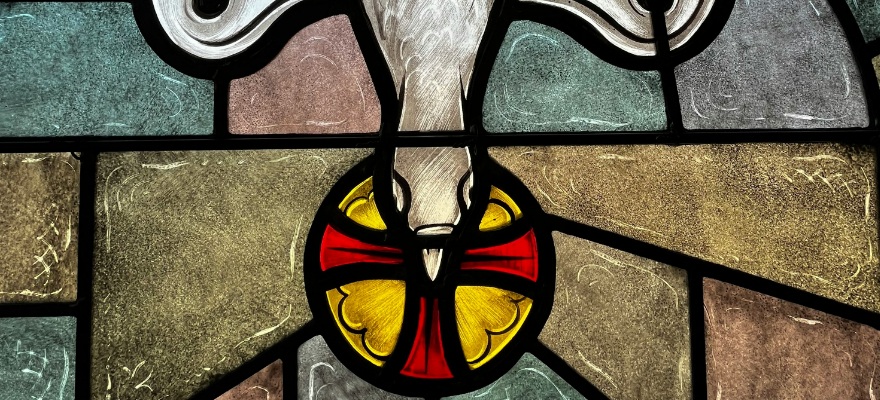
Teach us to receive the Father’s mercy before we attempt to share it with others. Free us from pride, self-reliance, the desire for recognition, and every fear that keeps us from trusting You.
Purify our intentions and form our hearts after the heart of Christ. Teach us to serve without seeking applause, to love without keeping score, and to forgive without reservation.
Make us humble instruments of Your divine mercy.
May our words bring hope, our silence bring peace, our service reveal Christ, and our lives become living icons of His compassionate heart. Lead us each day, so that every person we encounter may experience the face of the Father’s infinite mercy through His Son, Jesus Christ.
Amen.
Glory be to the Father, and to the Son, and to the Holy Spirit. As it was in the beginning, is now, and ever shall be, world without end. Amen.
Mother of Mercy, pray for us.
Saint Ignatius of Antioch, pray for us.